How Does a Submersible Pump Work?
Summary: Submersible pumps are essential equipment for efficiently moving water and other liquids from wells, tanks, and reservoirs. This article provides an in-depth guide to understanding submersible pumps, their operation, types, installation tips, maintenance, and troubleshooting. By the end of this guide, readers will have the knowledge to select, operate, and maintain submersible pumps effectively, addressing common challenges faced by users.
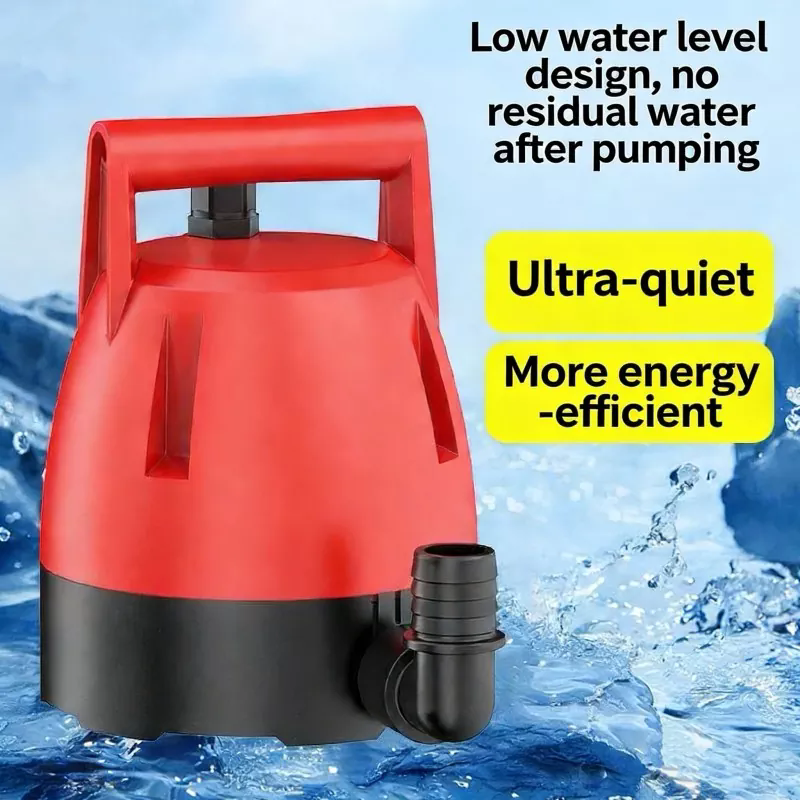
Table of Contents
- What is a Submersible Pump?
- How Does a Submersible Pump Work?
- Types of Submersible Pumps
- Installation Tips
- Maintenance and Troubleshooting
- Common Issues and Solutions
- Frequently Asked Questions
What is a Submersible Pump?
A submersible pump is a device designed to push liquids to the surface from deep sources, rather than pulling them. It operates while fully submerged in the liquid it is pumping. This design reduces cavitation, improves efficiency, and allows the pump to move water, sewage, or slurry without priming issues.
- Used in wells, tanks, and reservoirs
- Can handle clean water, wastewater, or corrosive liquids
- Designed for continuous operation in challenging environments
How Does a Submersible Pump Work?
The operation of a submersible pump involves a combination of mechanical and electrical components working together:
- Motor: Located at the base of the pump, fully submerged in the liquid. It powers the impeller.
- Impeller: Rotates to create centrifugal force, moving the liquid upward through the pump.
- Seals: Prevent liquid from entering the motor compartment, ensuring electrical safety.
- Discharge Pipe: Carries the liquid to the desired location above the surface.
The pump’s submersion in liquid eliminates the risk of air lock and cavitation, allowing for reliable operation even under high-pressure conditions.
Types of Submersible Pumps
Understanding the types of submersible pumps helps in selecting the right pump for your application.
| Type | Application | Features |
|---|---|---|
| Water Submersible Pump | Wells, irrigation, water supply | Handles clean water efficiently, energy-saving |
| Sewage Submersible Pump | Wastewater treatment, drainage | Handles solids and debris, corrosion-resistant |
| Slurry Submersible Pump | Mining, industrial slurry | Wear-resistant, suitable for abrasive liquids |
Installation Tips
Proper installation ensures maximum efficiency and longevity of the submersible pump:
- Ensure proper electrical connections and grounding
- Check liquid depth and pump submersion requirements
- Use a guide rail system for easy maintenance in deep wells
- Install a non-return valve to prevent backflow
Maintenance and Troubleshooting
Routine maintenance reduces downtime and costly repairs. Key maintenance practices include:
- Regularly inspect the power cable and seals
- Clean the impeller to prevent clogging
- Monitor pump vibration and unusual noise
- Check motor temperature and lubrication
Troubleshooting common issues:
| Problem | Possible Cause | Solution |
|---|---|---|
| Pump not starting | Power supply issue | Check circuit and motor connections |
| Low flow rate | Clogged impeller | Clean impeller and suction area |
| Overheating | Pump running dry or blocked | Ensure proper liquid level, remove blockages |
Common Issues and Solutions
Understanding potential problems in advance helps prevent operational failures:
- Cavitation: Avoid by maintaining proper submersion and avoiding air pockets.
- Seal Leakage: Inspect seals regularly and replace worn seals promptly.
- Corrosion: Choose materials compatible with the pumped liquid.
- Excessive Vibration: Check alignment and remove debris from impeller.
Frequently Asked Questions
Q1: Can submersible pumps handle solid particles?
A: Yes, certain submersible pumps, like sewage or slurry pumps, are designed to handle solids and abrasive materials efficiently.
Q2: How long can a submersible pump operate continuously?
A: With proper installation and maintenance, many submersible pumps can operate 24/7. Always check manufacturer guidelines.
Q3: How do I prevent my submersible pump from burning out?
A: Ensure the pump is always submerged in liquid, avoid running dry, and monitor motor temperature regularly.
Q4: Where can I find reliable submersible pumps?
A: Ningbo Dyfab Industry Co., Ltd. provides high-quality submersible pumps suitable for residential, agricultural, and industrial applications. For more information and purchasing, visit our product page.
Submersible pumps are versatile, efficient, and essential for a variety of liquid handling applications. By understanding their types, working principles, installation, and maintenance practices, users can optimize their performance and longevity. For reliable, high-quality submersible pumps, contact us at Ningbo Dyfab Industry Co., Ltd. and ensure your operations run smoothly.