Article Summary
Booster pumps play a crucial role in maintaining optimal water pressure for industrial, commercial, and residential applications. This article explores how booster pumps work, why they are essential, and what factors to consider when selecting one. Understanding these aspects can help engineers, facility managers, and homeowners ensure consistent performance and prevent costly system failures.
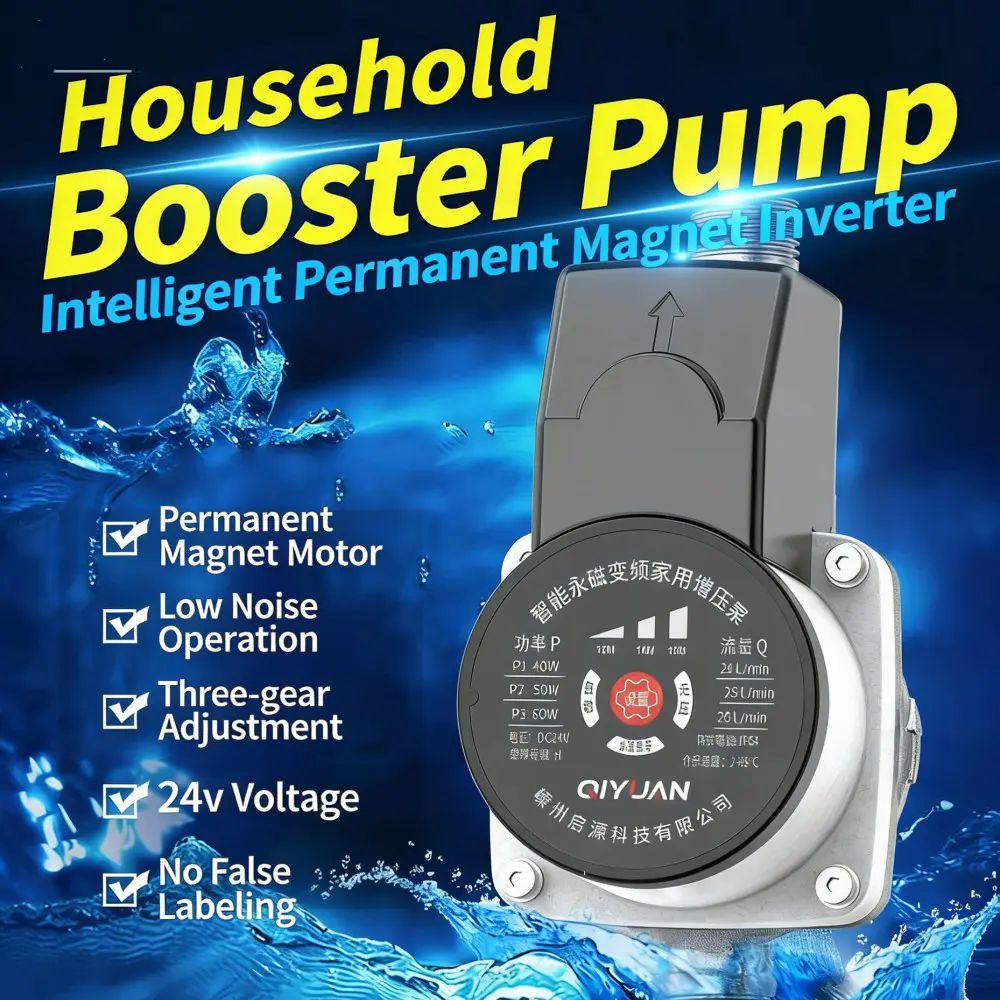
Table of Contents
How a Booster Pump Works
Booster pumps are designed to increase water pressure in systems where the existing pressure is insufficient. They operate by drawing water from a source and pushing it into the pipeline at a higher pressure. The key components of a booster pump include:
- Motor: Powers the pump, converting electrical energy into mechanical energy.
- Impeller: Rotates to move water efficiently.
- Pump casing: Directs water flow and maintains pressure.
In industrial systems, booster pumps are often connected to pressure sensors and control units to maintain consistent pressure. Dyfab's booster pumps are engineered to provide precise pressure regulation and high efficiency, reducing energy consumption and operational costs.
Why Booster Pumps Are Needed
Booster pumps solve several common challenges in water systems:
- Low water pressure: In tall buildings or long pipelines, pressure naturally decreases, affecting performance.
- System reliability: Ensures equipment like sprinklers, HVAC systems, and manufacturing machinery receive adequate flow.
- Energy efficiency: Properly sized booster pumps reduce the need for oversized plumbing and excessive electricity use.
Without a booster pump, industrial operations can experience downtime, inconsistent water supply, and increased maintenance costs.
Types of Booster Pumps
There are several types of booster pumps, each suited for different applications:
| Type | Application | Advantages |
|---|---|---|
| Single-Stage Pump | Residential or small commercial systems | Compact, cost-effective, easy to install |
| Multi-Stage Pump | High-rise buildings, industrial plants | High pressure, efficient over long pipelines |
| Variable Speed Pump | Dynamic systems with fluctuating demand | Energy-saving, automatic pressure regulation |
Dyfab offers all these types with advanced materials and precise engineering to ensure long-lasting performance even in demanding conditions.
Tips for Choosing the Right Booster Pump
Selecting the right booster pump requires evaluating system requirements and operational conditions. Consider the following factors:
- Flow rate: Measure the maximum water demand to ensure the pump can meet it.
- Pressure requirements: Calculate the desired pressure at the farthest point in the system.
- Energy efficiency: Variable speed pumps adjust performance to reduce electricity usage.
- Material compatibility: Pumps handling corrosive liquids should use stainless steel or specialized coatings.
- Maintenance and support: Choose manufacturers like Dyfab that provide accessible service and replacement parts.
Maintenance Best Practices
Proper maintenance extends the life of booster pumps and prevents unexpected failures. Key practices include:
- Regular inspection of seals and bearings to prevent leaks.
- Cleaning or replacing filters to avoid clogs and reduced flow.
- Monitoring electrical connections and motor performance.
- Documenting maintenance activities to track performance trends.
Dyfab provides detailed maintenance guides and support services to help businesses maintain optimal pump performance.
Frequently Asked Questions
- What is the difference between a booster pump and a regular pump?
- A booster pump specifically increases water pressure within an existing system, whereas a standard pump may only move water from one location to another.
- Can a booster pump be installed in an existing system?
- Yes, booster pumps are often retrofitted to improve pressure in older pipelines or underperforming systems.
- How often should a booster pump be serviced?
- Regular inspections every 6-12 months are recommended, depending on usage and environmental conditions.
- Are booster pumps energy-efficient?
- Modern variable speed booster pumps, like those from Dyfab, are designed to minimize energy consumption by adjusting performance based on real-time demand.
Conclusion
Booster pumps are essential components for maintaining consistent water pressure in industrial, commercial, and residential systems. By understanding how they work, why they are needed, and how to select the right type, facility managers and engineers can prevent system failures, save energy, and reduce maintenance costs. Dyfab's high-quality booster pumps offer reliability, efficiency, and robust support to ensure your operations run smoothly. For more information on how Dyfab can improve your water systems, contact us today.