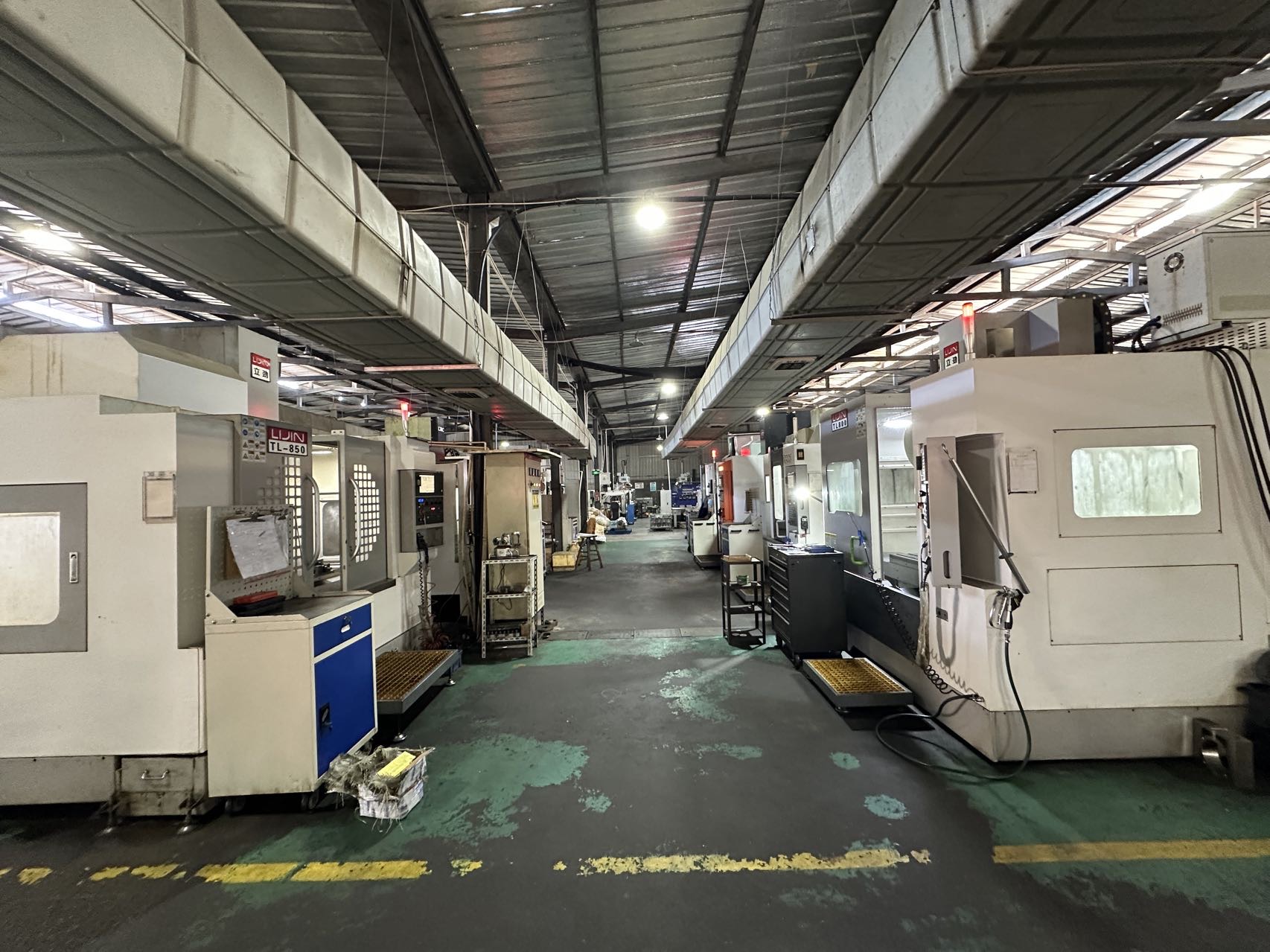
How to Choose a CNC Machining Company
Choosing a CNC machining company is not just about finding a supplier with the right machines. The right fit also depends on material experience, tolerances, inspection requirements, order volume, lead time and the level of engineering support a project needs.
How We Compared the CNC Machining Companies
When comparing the companies in this guide, the main areas to consider are:
● CNC milling, turning and multi-axis capabilities
● Experience with different materials and tolerances
● Quality management and inspection capabilities
● Prototype and production support
● Engineering and DFM support
● Lead times and availability to customers
The companies use different business models, from specialist precision machine shops to digital manufacturing platforms. For that reason, the list should not be treated as a strict one-to-ten ranking. The best fit will depend on the requirements of the part and the level of support needed.
How to Choose the Right CNC Machining Company
The best CNC machining supplier will depend on the part, production requirements and level of support needed. When comparing companies, there are a few practical areas worth checking.
Match Capabilities, Materials and Tolerances to the Part
Start with the component itself. Check whether it requires CNC milling, turning, 5-axis machining or another specialist process, and whether the supplier regularly works with the required material and similar part geometries.
Tolerance requirements should also be considered early. Tighter tolerances can affect machining time, inspection and cost, so the supplier should be comfortable working to the specifications required by the part.
Review Quality, Inspection and Engineering Support
The level of quality control required will depend on the component and its end use.
Check what inspection methods are available and what documentation will be required. Depending on the project, this may include material certificates, dimensional inspection reports or CMM inspection.
For more complex parts, it is also worth checking what engineering or DFM support is available before manufacturing begins.
Compare Production Fit, Lead Time and the Full Quote
A supplier that is suitable for a small prototype order may not always be the right choice for repeat production.
If the project is likely to scale, check how the supplier manages production capacity, repeat orders, design revisions and inspection requirements.
Price should also be considered alongside lead time and the full project scope. Material, machining, tolerances, inspection, finishing, packaging and delivery can all affect the final cost.
Final Thoughts
There is no single CNC machining company that will be the right choice for every project.
A specialist precision machine shop may be a better fit when direct engineering support and specialist machining experience are important. A digital manufacturing platform may be more practical when a project needs broader capacity or several manufacturing processes managed through one workflow.
The right choice depends on the part itself, including its geometry, material, tolerances, quantity, inspection requirements and delivery schedule.