How Precision CNC Machining Enhances Manufacturing Accuracy and Efficiency?
Article Summary: Precision CNC machining has become a cornerstone of modern manufacturing, delivering unmatched accuracy, repeatability, and scalability. This article explores how precision CNC machining works, why it matters for industrial applications, and how businesses can leverage it to overcome common production challenges.
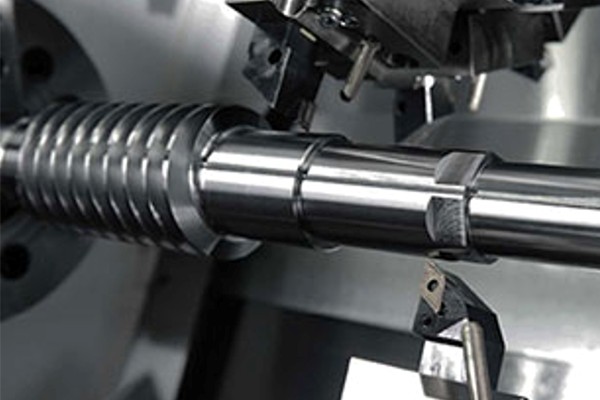
Table of Contents
- Introduction to Precision CNC Machining
- How Precision CNC Machining Works
- Key Advantages for Industrial Applications
- Common Customer Pain Points and Solutions
- Precision CNC Machining Process Overview
- Technical Parameters and Capabilities
- Industry Applications
- How to Choose the Right CNC Machining Partner
- FAQ
- Conclusion
Introduction to Precision CNC Machining
Precision CNC machining refers to the process of using computer-controlled tools to manufacture components with extremely tight tolerances and high repeatability. This technology is widely used in industries such as aerospace, automotive, medical devices, and electronics.
How Precision CNC Machining Works
The process begins with a digital design created using CAD software, followed by CAM programming to generate toolpaths.
- Design creation using CAD software
- Toolpath generation via CAM programming
- Material setup
- Machine execution
- Inspection and quality control
Key Advantages for Industrial Applications
| Advantage | Description |
|---|---|
| High Precision | Achieves extremely tight tolerances |
| Repeatability | Ensures consistent production |
| Efficiency | Reduces production time |
Common Customer Pain Points and Solutions
- Inconsistent quality → Solved by automation
- High scrap rates → Reduced through precision control
- Long lead times → Improved with efficient workflows
Precision CNC Machining Process Overview
- Material preparation
- Machine setup
- Machining execution
- Inspection
Technical Parameters and Capabilities
| Parameter | Specification |
|---|---|
| Tolerance | ±0.001 mm |
| Surface Finish | Ra 0.2 – 1.6 μm |
Industry Applications
- Aerospace
- Automotive
- Medical
- Electronics
How to Choose the Right CNC Machining Partner
Choosing a reliable partner ensures quality and efficiency. Dyfab provides tailored precision CNC machining services for complex industrial needs.
FAQ
Q1: What materials can be used?
A: Metals and plastics are commonly used.
Q2: How accurate is CNC machining?
A: It can achieve tolerances as tight as ±0.001 mm.
Conclusion
Precision CNC machining delivers unmatched accuracy and efficiency for modern manufacturing.
Contact us to explore how Dyfab can support your next project.